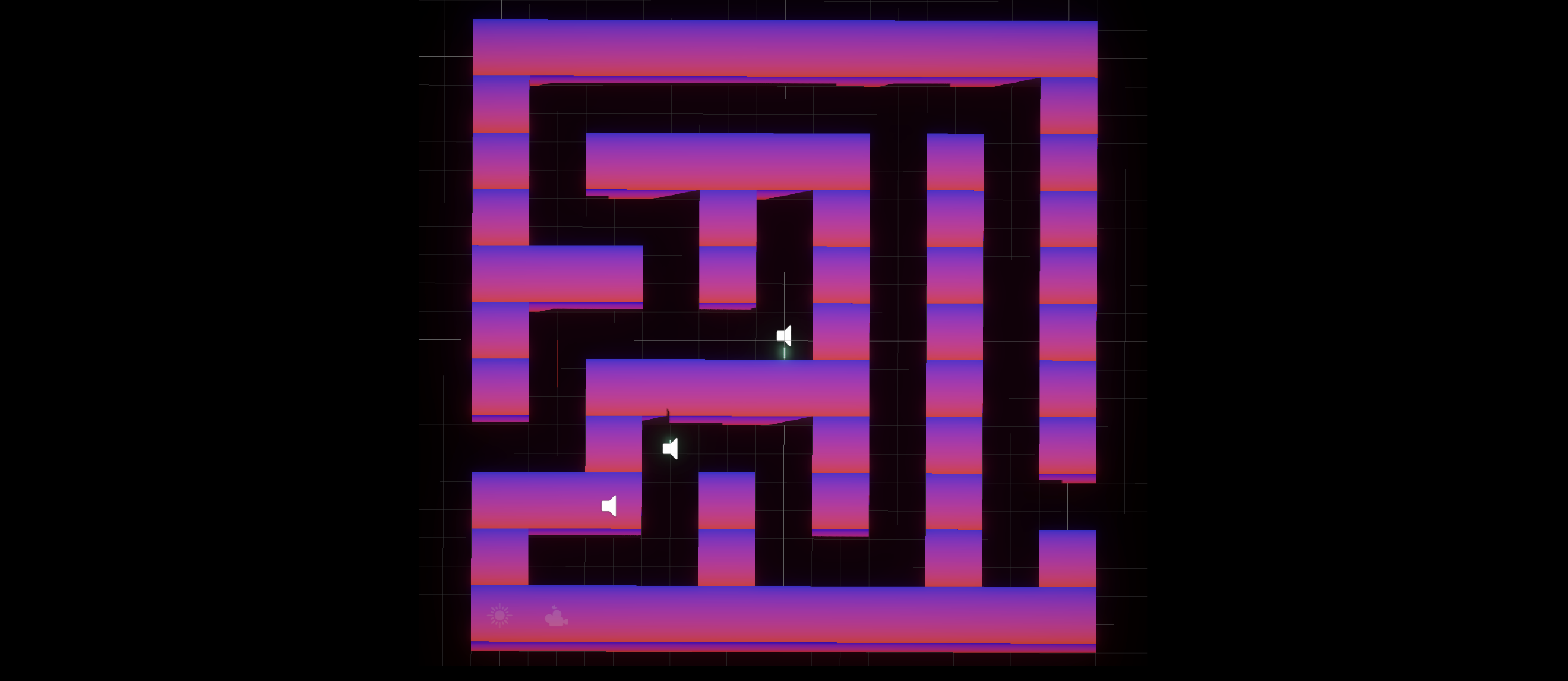
A non-euclidean virtual reality maze where sound and portals guide players, created to explore new methods of spatial navigation, non-linear gameplay, and immersive VR mechanics.
Phaze explores what happens when the rules of space aren’t fixed. Each maze is uniquely generated, and the space shifts in ways that break familiar patterns. Portals move you between areas that don’t quite connect, and audio cues help guide you through paths that aren’t always linear. It’s an exploration of spatial perception and how people find their way when the usual rules don’t apply.
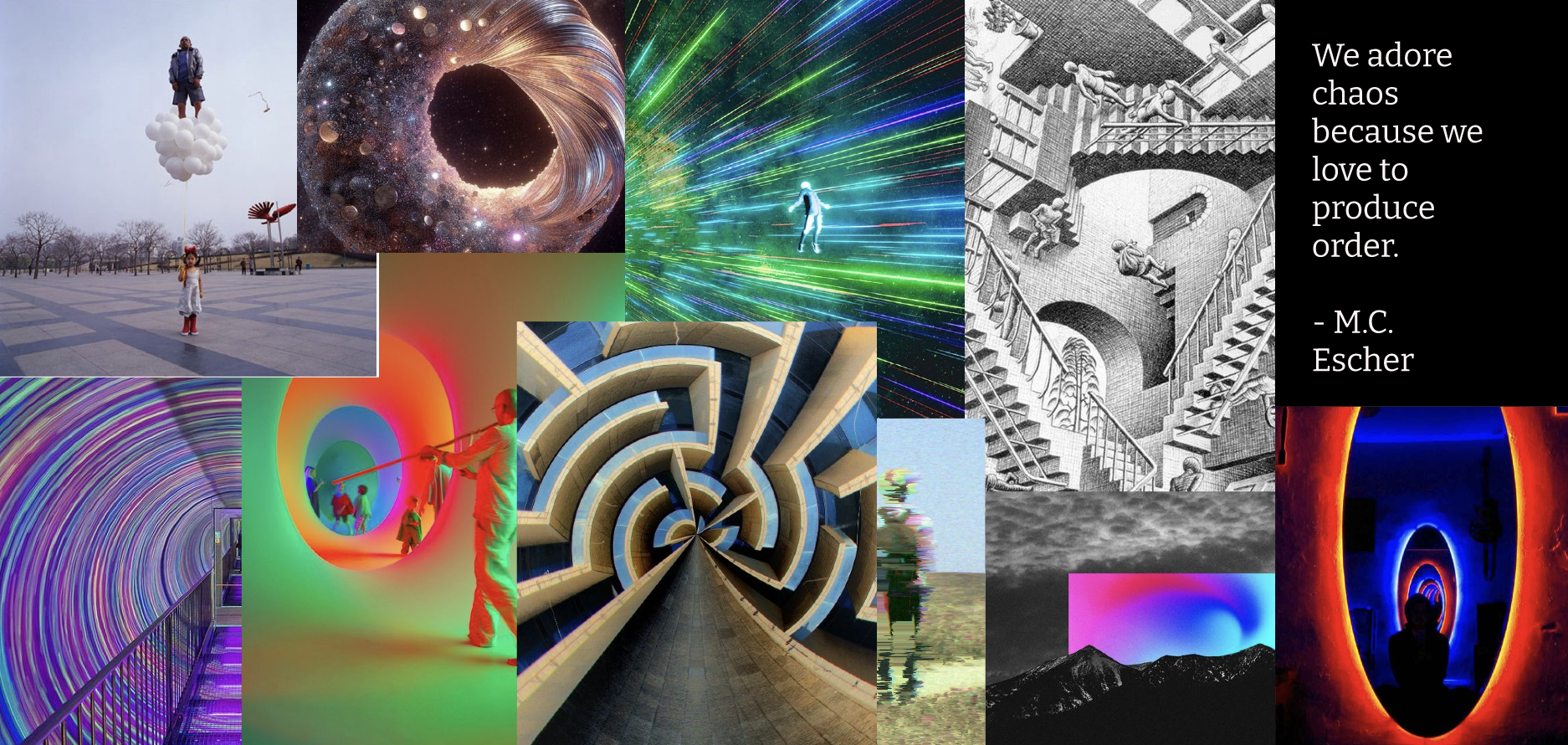
The idea for Phaze came from wanting to create something memorable for NextNOW Fest, an annual public arts festival at the University of Maryland. I wanted to build a VR experience that felt unpredictable without breaking the physical constraints that make VR comfortable to be in.
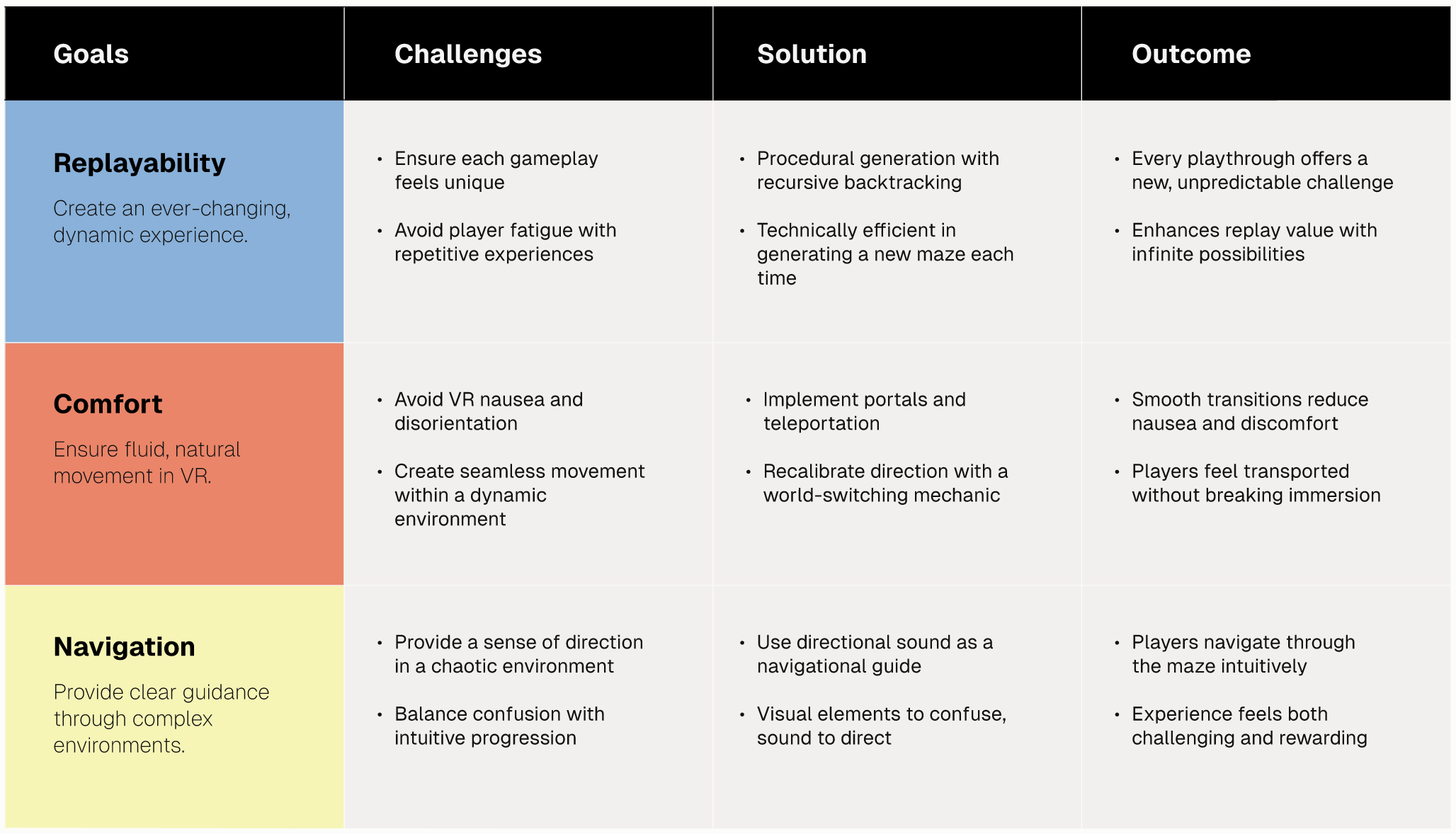

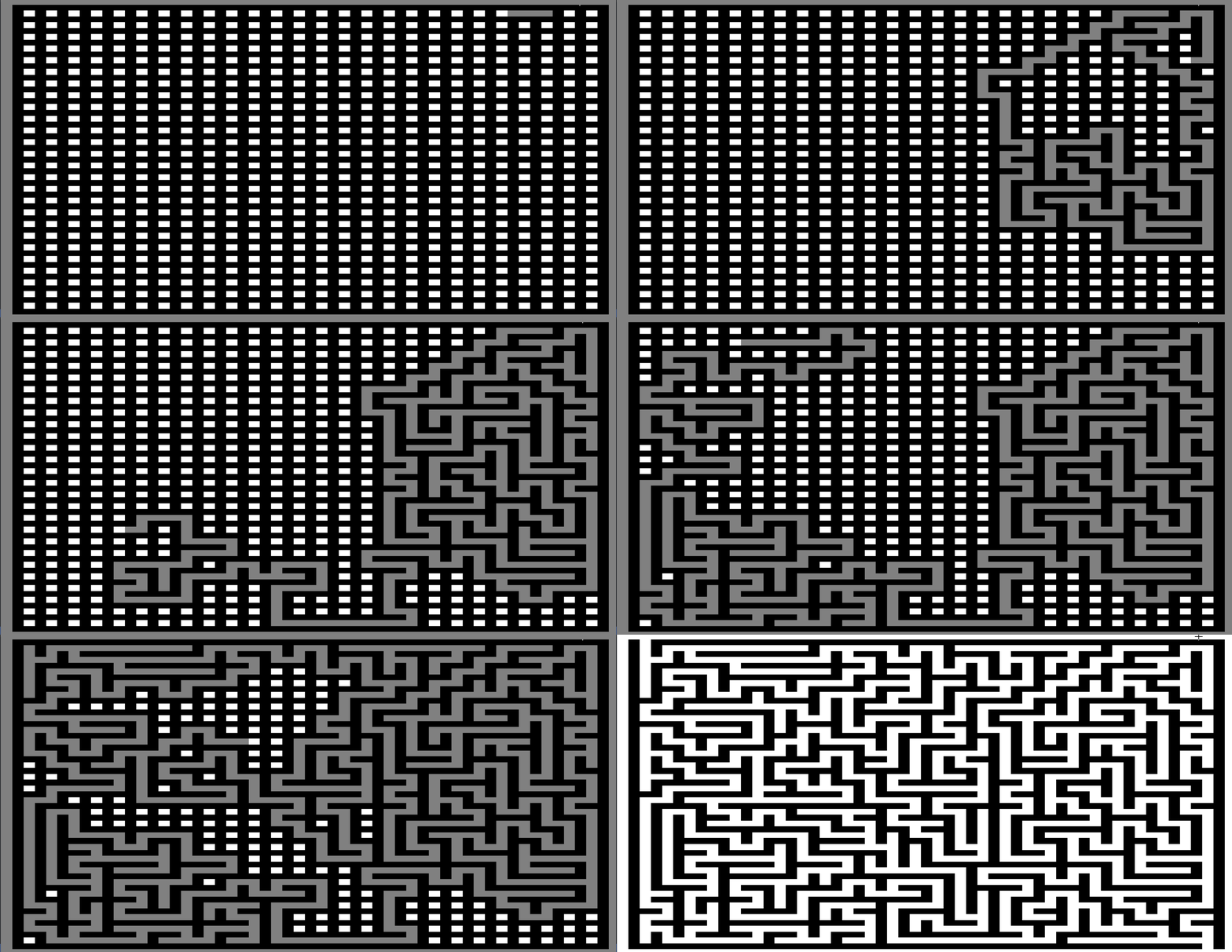
The portals needed to do more than just transport players, they had to feel like an integral part of the maze. I placed them at points where players felt most confident about where they were going, so the transport was disorienting enough to surprise without crossing into discomfort.
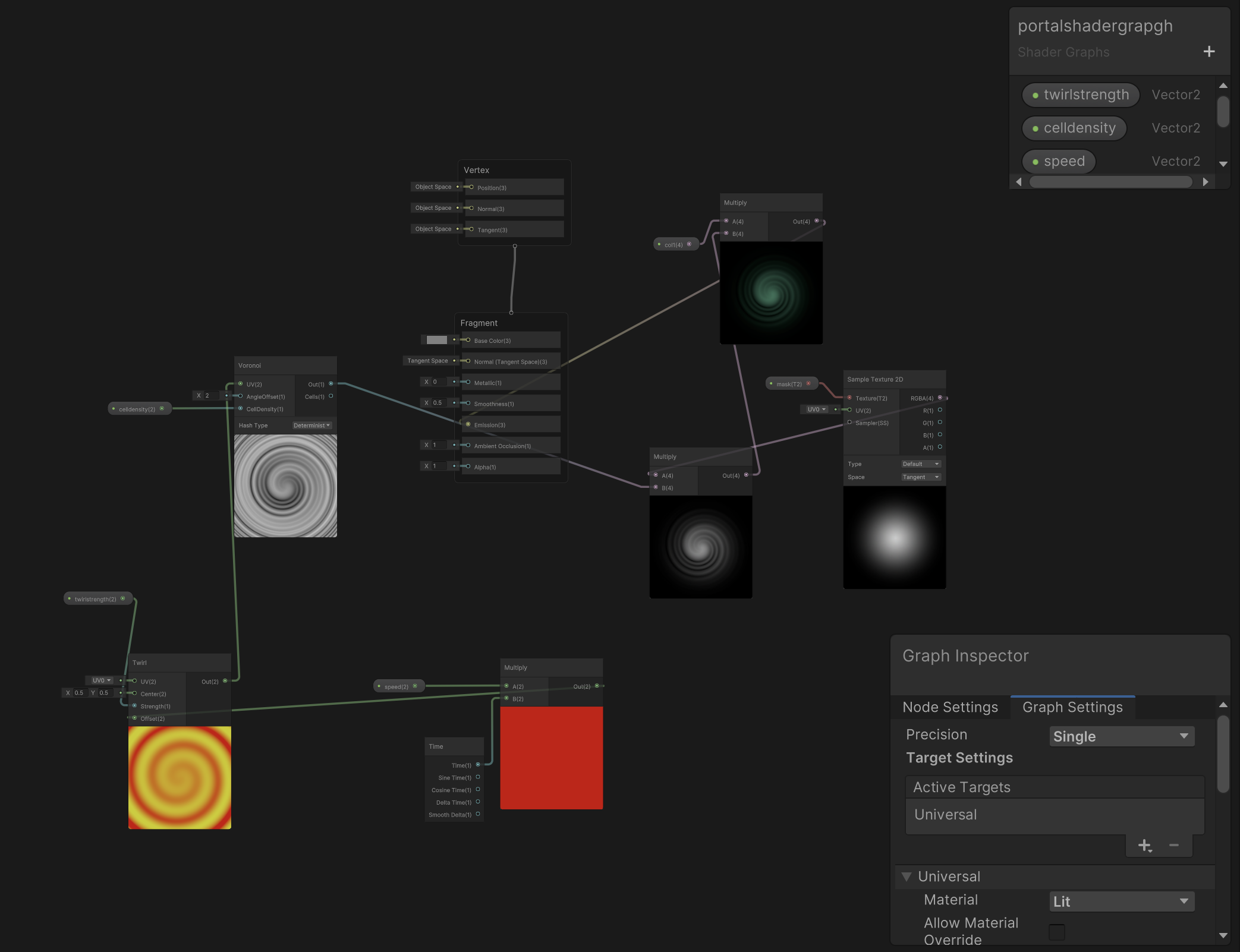
With sight unreliable in a maze designed to disorient, sound became the most logical guide. The challenge was that the maze was procedurally generated and portals could transport players mid-navigation, meaning the sound sources had to recalibrate in real time. At any point a player might be tracking two sources simultaneously, one leading to a portal and one leading to the exit. The sound had to be present enough to follow but not so directive that it removed the decision from the player.
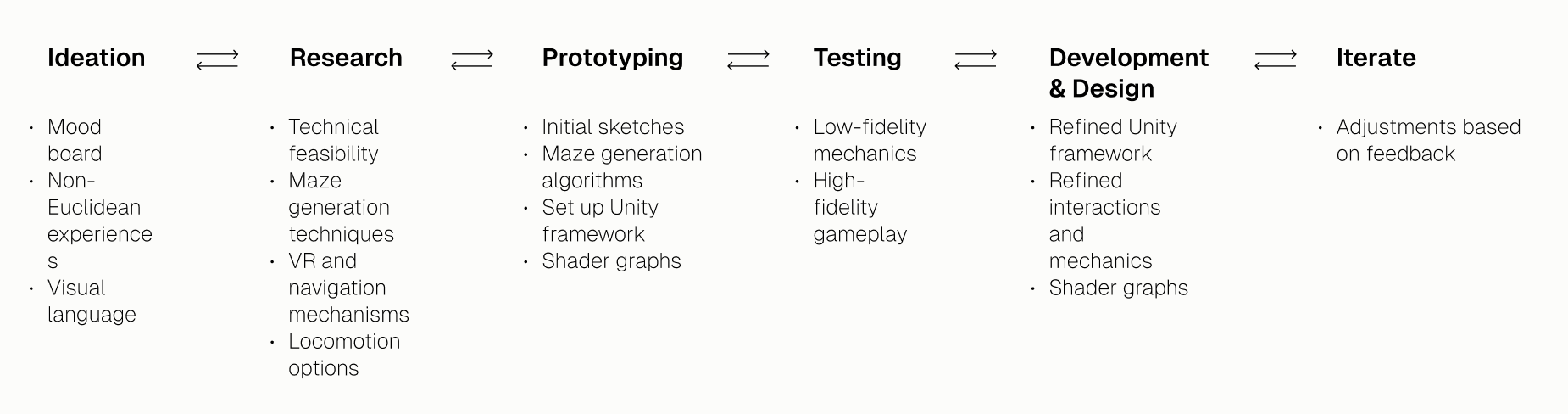
I ran two rounds of pilot testing before the public exhibition. The first round surfaced a collision timing issue where players were walking through walls because the box colliders were loading slower than the environment geometry. Portals were also frequently missed, with testers treating them as background elements rather than interactive ones.

I tested the prototype with 20 participants. 60% reached the exit. The remaining 40% struggled with audio cues that weren't directional enough and portal behavior that felt arbitrary rather than intentional. I finetuned both until the maze was difficult to navigate by design rather than by accident.